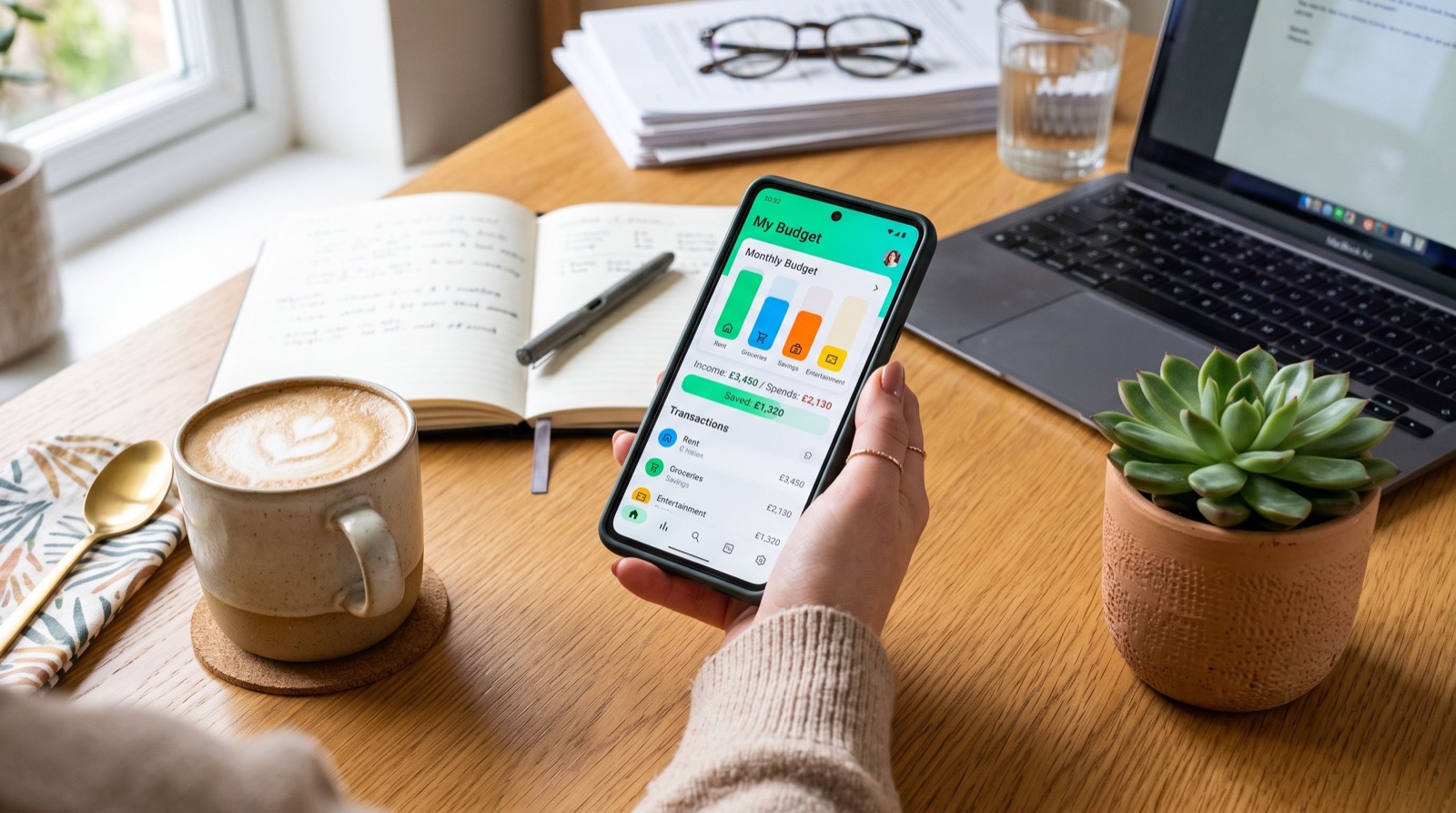
For most families and small businesses, the first question about going solar is not about technology at all. It is about money. How much does a system cost up front, how long before it pays for itself, and is it worth borrowing to install one now rather than waiting? These are fair questions, and the honest answer is that solar has shifted from a luxury purchase to one of the most reliable financial decisions a Pakistani household can make, largely because grid electricity keeps getting more expensive while panel prices keep falling.
Understanding the economics is what separates a confident buyer from a hesitant one. This article breaks down the real costs, the payback maths, the role of net metering, and the different ways to finance a system so you can decide with your eyes open rather than relying on a salesperson’s rosy promises.
The Real Cost of Going Solar
The price of a solar setup depends on its size, the quality of the components, and the complexity of the roof it sits on. A modest home system sized to run fans, lights, a refrigerator, and a few other appliances costs considerably less than a system built to power air conditioners through a summer afternoon. It helps to think of the cost in three buckets: the panels themselves, the inverter, and the balance of system, which covers mounting, wiring, protection devices, and labour. Cutting corners on any of these to save money today usually costs more later, because a cheap inverter or flimsy mounting frame is the part most likely to fail early.
How Payback Actually Works
Payback period is the number of years it takes for your electricity savings to equal what you spent on the system. The calculation is simpler than people expect. Take your average monthly bill, estimate how much of it the solar system will offset, and divide the total installed cost by those annual savings. In many households the honest payback lands somewhere between three and six years, after which the electricity is effectively free for the remaining two decades of the panels’ life. Because tariffs rise most years, the real payback is often faster than the first estimate suggests, since every increase in the per-unit price makes your self-generated power more valuable.
Net Metering and Selling Power Back
Net metering is the arrangement that lets a grid-connected system export surplus electricity to the utility and receive credit for it. During the middle of a sunny day, a well-sized system often produces more than the house is using, and instead of wasting that energy, net metering feeds it back and spins your meter in reverse. At night or during cloudy spells, you draw from the grid and the credits offset that usage. Getting approved involves paperwork, a bidirectional meter, and an application to the distribution company, which is why many owners lean on solar panels in Kohat suppliers who handle the net metering process from start to finish rather than leaving the buyer to navigate it alone.
Paying Up Front Versus Financing
If you have the savings, paying in full gives the fastest return because you avoid interest and start banking savings immediately. Not everyone can, though, and that is where instalment plans and bank financing come in. Several banks now offer dedicated solar loans, and the logic is compelling: if your monthly loan repayment is close to or less than the electricity bill you were already paying, you are essentially swapping a bill that lasts forever for one that ends in a few years and leaves you with a valuable asset. The key is to compare the total cost of the loan against the savings, and to make sure the system is sized correctly so it genuinely replaces the bill you are trying to escape.
Why Quality Changes the Maths
It is tempting to judge a quote purely on the lowest price, but the cheapest system rarely offers the best return. Payback calculations assume the panels will keep performing for twenty-five years and the inverter for at least ten. Budget components that degrade quickly or fail within a few years destroy those assumptions and turn a smart investment into a recurring expense. This is where working with solar installation specialists who use tier-one panels and reputable inverters pays off, because reliable equipment protects the long tail of savings that makes solar worthwhile in the first place.
Hidden Factors That Affect Your Return
A few variables quietly shape how good your investment turns out to be. Roof orientation and tilt determine how much sunlight the panels capture, and a poorly angled array can lose a noticeable share of its potential output. Shading from trees or neighbouring buildings has the same effect. The size of the system relative to your consumption matters too; a system that is too small leaves you buying expensive grid power, while one that is too large ties up money in capacity you never use. A proper site assessment by trusted professionals accounts for all of these before a single panel is ordered, which is why skipping that step so often leads to disappointment.
Protecting the Investment Over Time
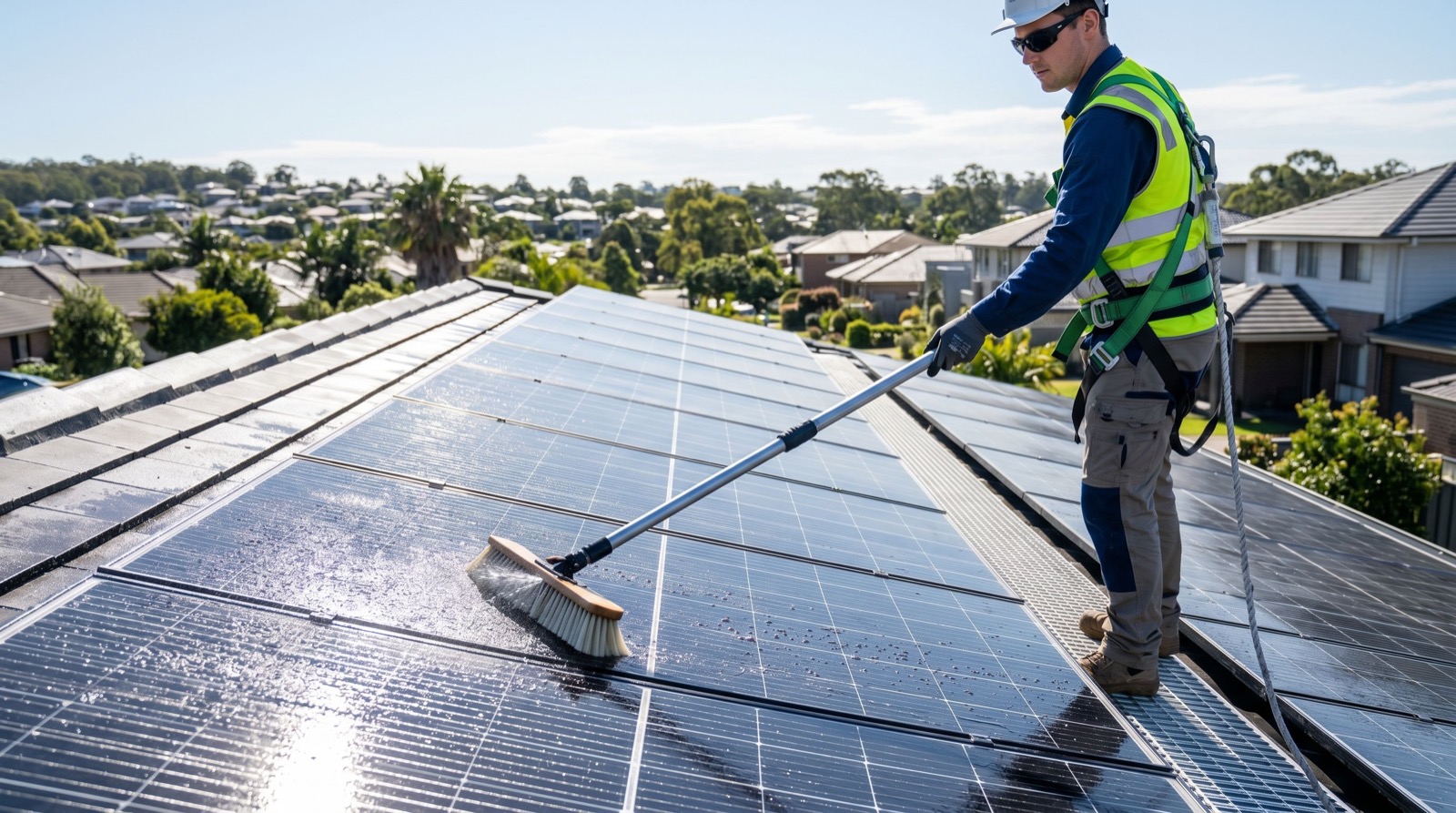
The financial case for solar assumes the system keeps producing, so a little ongoing care protects your returns. Keeping the panels clean, monitoring the inverter, and scheduling an occasional professional check are inexpensive habits that preserve output. Just as importantly, keep the paperwork: the warranty documents, the net metering agreement, and the performance data. If you ever sell the property, a documented, well-maintained solar system adds real value and reassures a buyer that the savings are genuine rather than theoretical.
Key Takeaways
- Solar has become a reliable financial decision because grid tariffs keep rising while equipment prices keep falling.
- Most home systems pay for themselves within three to six years, then deliver near-free power for the rest of their life.
- Net metering lets you export surplus daytime power for credit, sharply improving the economics of a grid-tied system.
- Financing can make sense when the monthly repayment is close to the bill you already pay, since you end up owning the asset.
- Cheap components undermine payback maths; quality equipment protects the two decades of savings that make solar worthwhile.
Final Thoughts
Going solar is ultimately a maths problem with an unusually satisfying answer. Once you understand the cost, the payback, and the role of net metering, the decision often becomes obvious rather than difficult. Whether you pay up front or finance the system, the goal is the same: to stop renting electricity from the grid forever and start owning your own supply. Run the numbers honestly, insist on quality, and the investment will keep rewarding you long after the payback period has passed.