Best Mover Dubai: How to Protect Fragile and Specialty Items When You Move
The sofa survives. The box of wine glasses, the framed art, and the 65-inch TV are what keep people awake the night before a move. Best Mover Dubai has handled thousands of fragile and specialty items across Dubai, and the lesson is always the same: breakage is a packing problem, not a bad-luck problem. This guide shows exactly how professionals protect the items that matter most, so you arrive in your new home with everything intact.
We will go deeper than “wrap it in bubble wrap.” You will learn the materials, the packing order, and the handling techniques that separate a confident move from a risky one, with specific notes for villa communities like The Springs where stairs and tight turns add their own challenges.
Why Fragile Handling Defines a Move With Best Mover Dubai
Anyone can carry a box. The real skill is knowing how to immobilise what is inside it. Best Mover Dubai treats fragile handling as a discipline with a repeatable method, because a single broken heirloom can overshadow an otherwise flawless day. Specialty items also tend to be the most valuable things you own, which is why transit insurance and careful documentation go hand in hand with good packing.
Electronic waste and damaged goods also carry disposal rules in the UAE, and responsible movers follow proper guidance. You can review the emirate’s environmental and waste standards via the official Dubai Municipality site if you plan to retire old appliances during the move.
The Fragile-Item Toolkit
Professional protection starts with the right materials. A rushed move usually fails because someone ran out of one of these.
- Double-wall cartons for heavy or dense fragile loads.
- Cell dividers for glasses, stemware, and bottles.
- Foam sheets and bubble wrap for surfaces and corners.
- Picture and mirror boxes that telescope to size.
- Flat-screen TV crates with foam inserts.
- Packing paper to fill every void so nothing shifts.
The Step-by-Step Method for Specialty Items
Here is the sequence the crew uses for high-risk pieces. The order matters as much as the materials.
- Document first. Photograph each item and note any existing marks before wrapping.
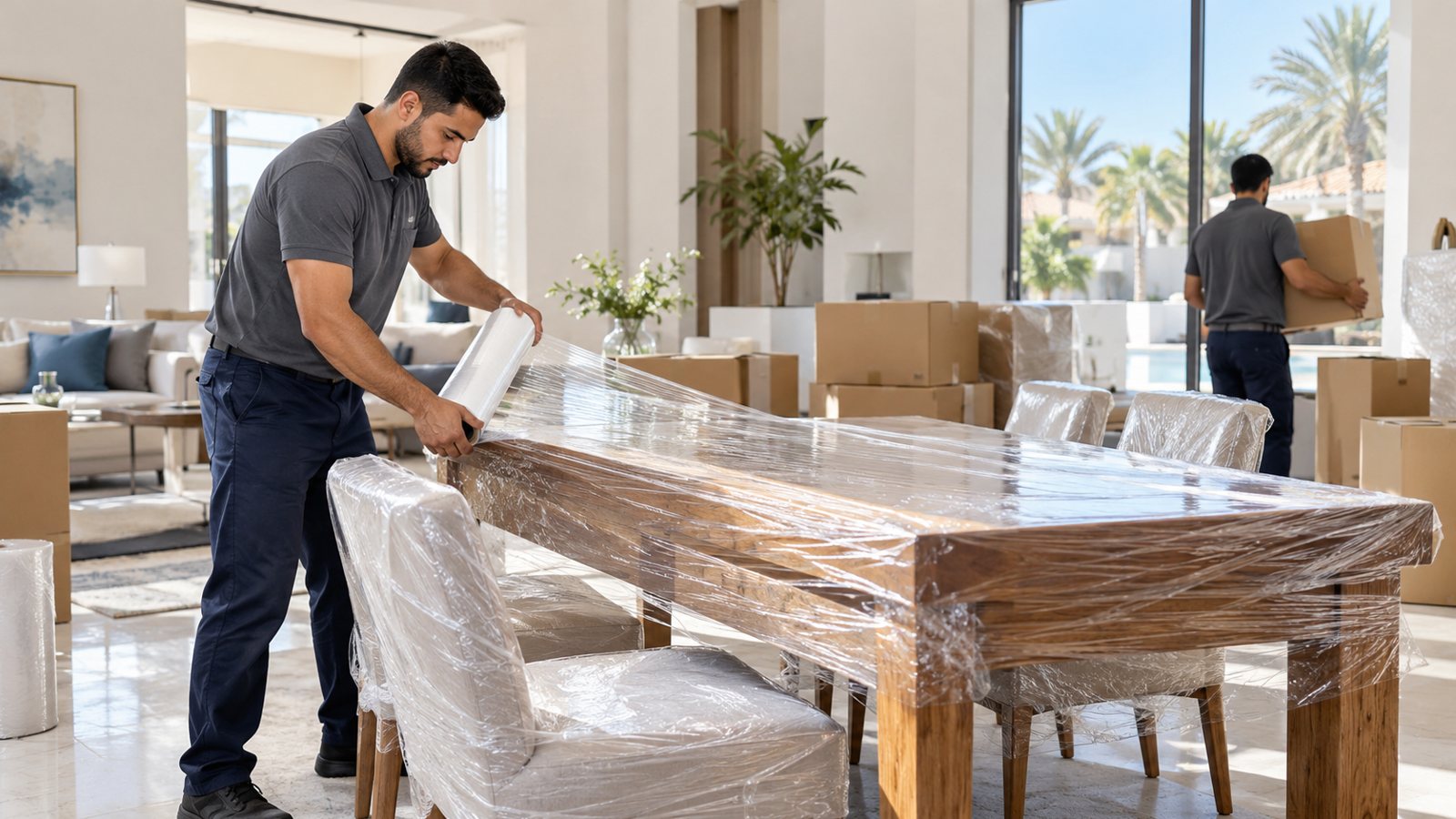
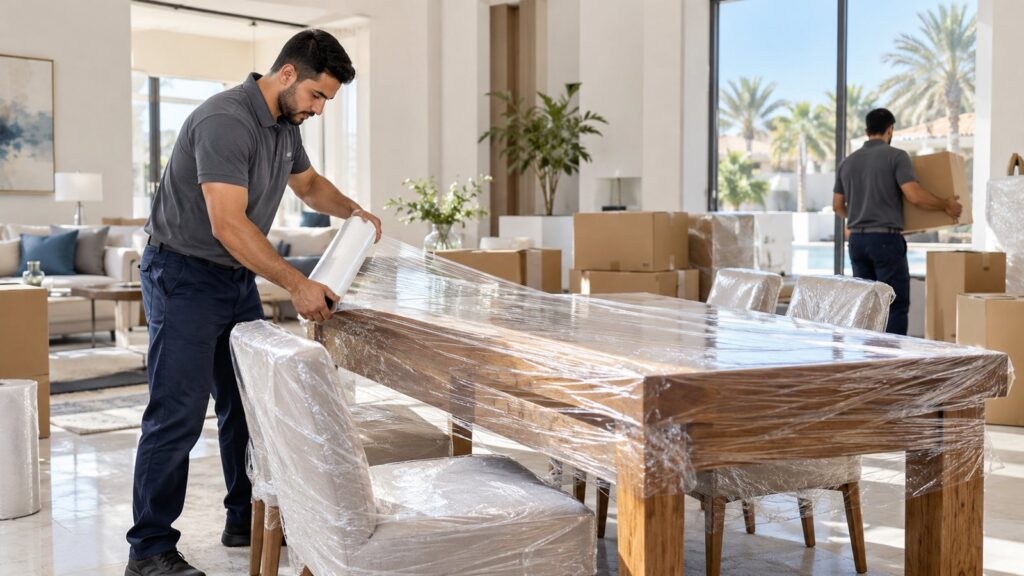
- Wrap individually. Each glass, plate, or figurine gets its own paper or bubble layer.
- Build a cushioned base. Line the carton bottom with crushed paper or foam.
- Pack vertically. Plates and frames stand on edge, never stacked flat.
- Fill every gap. No item should move when you gently shake the box.
- Label clearly. Mark FRAGILE and THIS WAY UP on multiple sides.
- Load last, unload first. Fragile cartons ride high and come off the truck early.
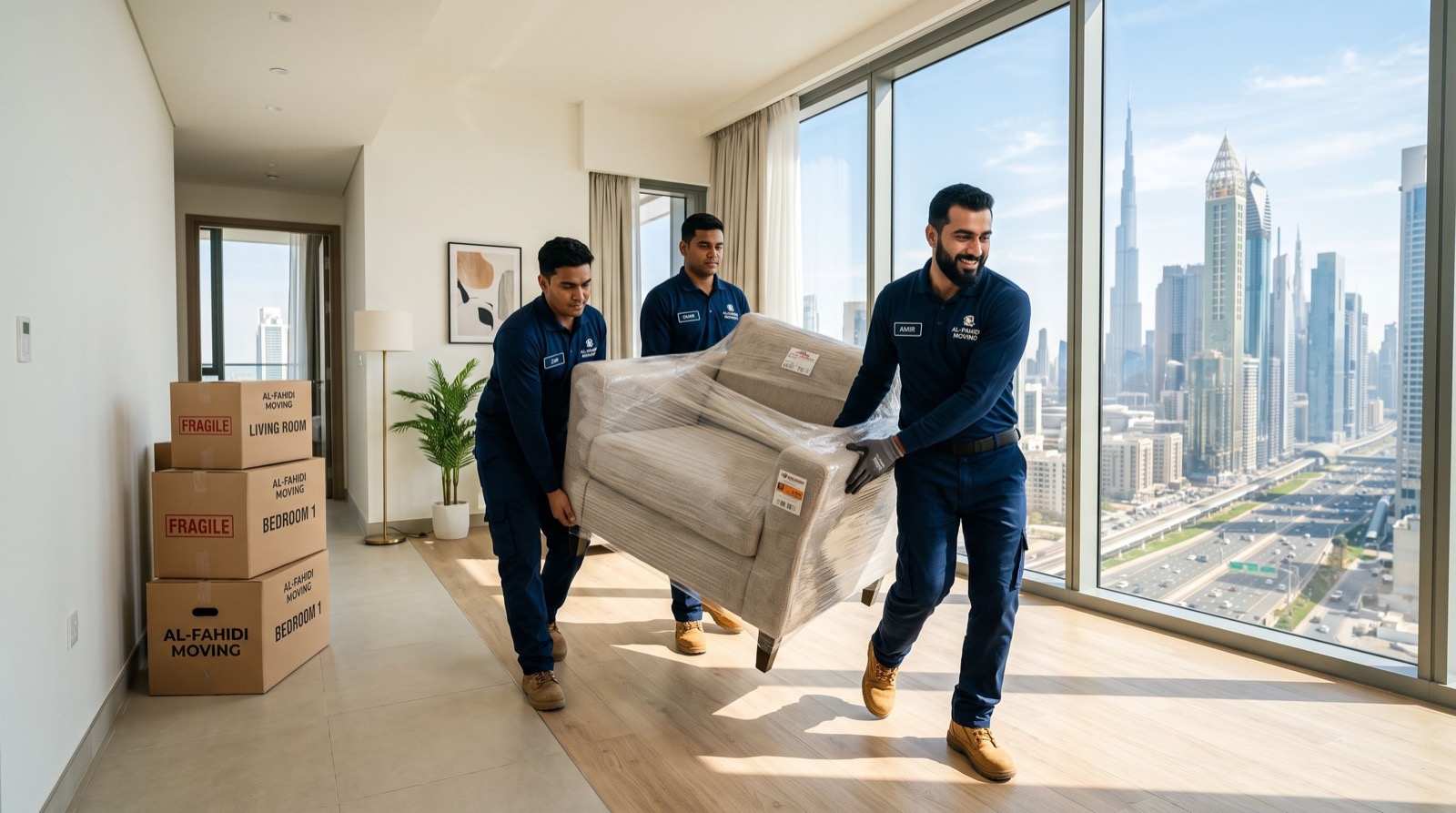
The Springs adds a twist because many townhouses have internal staircases and narrow upstairs landings. Framed art and tall mirrors need a planned carry route, which is one reason residents choose experienced movers and packers in The Springs who scout the path before anything leaves the room.
Specialty Items That Need Special Plans
Some belongings deserve their own mini-plan rather than a standard carton.
| Item | Main Risk | Protection Method |
|---|---|---|
| Flat-screen TV | Panel cracking | Foam crate, carried upright |
| Framed art and mirrors | Glass shatter | Telescoping picture box, corner guards |
| Chandeliers | Arm and crystal damage | Dismantle, wrap arms separately |
| Marble or glass tabletops | Surface cracks | Edge foam, vertical transport |
| Wine collection | Heat and breakage | Cell cartons, climate-aware timing |
Treating these items as projects rather than afterthoughts is what keeps damage rates close to zero.
What Is the Safest Way to Move a Large TV?
The safest method is a foam-lined crate or the original box, with the screen carried upright at all times, never laid flat. Laying a large panel down puts stress across the centre of the screen and is a leading cause of cracks that only appear once it is switched on. Before unplugging, photograph the cable layout so reconnection is quick, bag the remote and screws together, and tape the bag to the crate. On arrival, let the set rest upright for a short while before powering on if it travelled through a big temperature change.
The Mistakes That Cause Most Breakages
After enough moves, the pattern behind broken items becomes obvious, and almost all of it is avoidable. The single biggest cause is empty space inside a box. When a carton has gaps, items slide and collide every time the truck turns or stops. The fix is simple: fill every void with crushed paper until the box feels solid and nothing rattles.
The second mistake is overpacking a single carton until it is too heavy to carry safely. A dropped box is a broken box, so fragile cartons should stay light enough for one person to lift comfortably and should never be stacked under heavier loads. The third mistake is packing flat items flat. Plates, platters, and framed pieces are far stronger on their edges, yet people instinctively stack them horizontally, which is exactly how they crack.
A fourth, quieter mistake is skipping documentation. Without before photos, a genuine transit claim becomes a matter of memory, and memory rarely wins. Spend two minutes photographing your valuable pieces before they are wrapped. The final mistake is rushing the carry route. Scouting the path, clearing obstacles, and agreeing who leads and who follows on a staircase prevents the awkward fumble that ends in a drop. Avoid these five habits and your breakage rate falls close to zero, which is precisely the standard a professional crew is trained to hold on every single job.
Frequently Asked Questions
Do I need special insurance for fragile items?
For high-value pieces, yes. Transit insurance covers accidental damage during the move, and documenting each item with photos beforehand makes any claim straightforward.
Can I pack my own glassware to save money?
You can, but use cell dividers and wrap each piece individually. The most common DIY mistake is leaving gaps, which lets items knock together in transit.
How are chandeliers moved safely?
They are partially dismantled, with arms and crystals wrapped separately and the frame secured in a rigid box. Reassembly is done on site once the fixture is rehung.
What about antiques or heirlooms?
Treat them as specialty items with individual wrapping, a custom box where needed, and a documented condition report. These pieces load last and are handled only by the crew lead.
Conclusion: Treat Fragile as a Plan, Not a Hope
Nothing valuable should travel on luck. When every fragile and specialty item has the right material, the right packing order, and a scouted carry route, breakage stops being a worry and becomes a non-event. That careful, methodical standard is the hallmark of Best Mover Dubai, trusted across Emirates Living and beyond as the 2026 moving season gets busy. For a relocation in The Springs where your glassware, art, and electronics matter, choose Best Mover Dubai and work alongside genuinely reliable local experts who protect what you treasure most.