How to Build an Emergency Fund in 2026 (Even on a Tight Budget)
Learning how to build an emergency fund is the single most calming thing you can do for your finances in 2026. It is the buffer that turns a burst pipe, a surprise medical bill, or a sudden job change from a crisis into a mere inconvenience. Yet millions of households still have less than one month of expenses set aside.
The good news is that an emergency fund grows on autopilot once you set the right rules. This guide lays out a realistic, step-by-step path, drawn from helping ordinary earners go from zero to a genuine safety net without feeling deprived.
Why an Emergency Fund Comes Before Everything Else
Investing is exciting, but without a cash cushion, a single setback can force you to sell investments at the worst possible time or reach for high-interest debt. An emergency fund is the foundation that lets every other financial goal stand upright. It buys you time, options, and peace of mind.
According to the U.S. Federal Reserve’s annual Report on the Economic Well-Being of U.S. Households, a striking share of adults could not cover an unexpected expense with cash. Being on the prepared side of that statistic changes how you sleep at night.
How Big Should Your Fund Be?
The classic target is three to six months of essential expenses. If that feels overwhelming, aim first for a “starter” fund of one month. The starter version handles most everyday emergencies and builds the confidence to keep going.
A Step-by-Step Plan to Build Your Fund
Consistency beats intensity. Follow this sequence and let small automatic transfers do the heavy lifting.
- Calculate one month of bare-essential expenses as your first milestone.
- Open a separate, hard-to-touch savings account for the fund only.
- Automate a fixed transfer on every payday, however small.
- Funnel windfalls, refunds, and bonuses straight into the fund.
- Increase the transfer by a little each time your income rises.
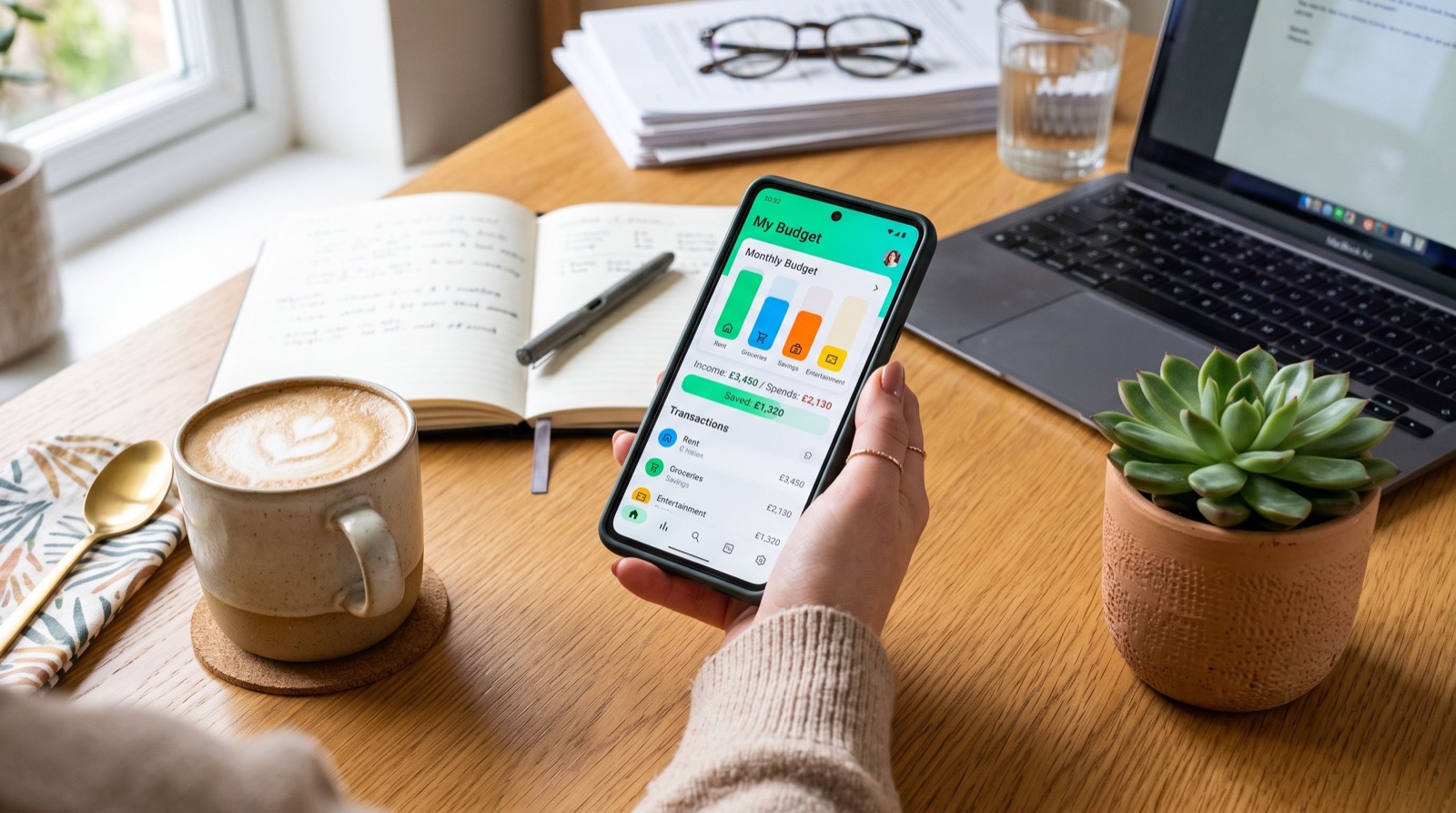
Choosing the right tools makes this almost effortless. The best money apps let you schedule transfers and hide the balance from your daily view, so you are far less tempted to dip in.
Where to Keep Your Emergency Fund
| Account Type | Access Speed | Best For |
|---|---|---|
| High-yield savings | 1–2 days | The core of your fund |
| Instant-access wallet | Seconds | A small “grab bag” for true urgencies |
| Money-market account | 1–3 days | Larger, mature funds earning more interest |
Keep the bulk in a high-yield account for growth, and a modest slice in an instant wallet for a 3 a.m. emergency. This split gives you both returns and speed.
What Counts as a Real Emergency?
This is where discipline matters. A genuine emergency is urgent, necessary, and unexpected. A holiday sale is none of those. Before you withdraw, ask whether the expense meets all three tests. If it fails even one, it belongs in a different savings pot.
- Urgent: it cannot reasonably wait a few weeks.
- Necessary: skipping it causes real harm or cost.
- Unexpected: you could not have planned for it in a normal budget.
Applying solid personal finance tips keeps the fund sacred so it is full when you truly need it.
An Original Trick: The “Match Yourself” Game
Here is a habit that supercharged my own savings. Every time I spend on a non-essential want, I transfer the same amount to my emergency fund. Buying a fancy coffee suddenly funds my safety net too. The game makes saving feel playful rather than punishing, and the balance climbs faster than any strict budget managed.
When someone asks me to review their setup, I often pair them with reliable local experts who can sanity-check the account structure before the first transfer even leaves.
Staying Motivated as the Fund Grows
The hardest stretch is the middle, when the balance is real but the goal still feels distant. This is where most people quietly give up. Beating that slump is less about grit and more about making progress visible and rewarding along the way.
Break the Goal Into Milestones
Instead of staring at a single intimidating number, split the journey into stages: one week of expenses, then two, then a full month, and onward. Each milestone deserves a small, cash-free celebration. Crossing a line you can actually see keeps the momentum alive far better than a distant finish.
Automate the Boring, Notice the Wins
- Let scheduled transfers run so you never rely on remembering.
- Check the balance monthly, not daily, to avoid impatience.
- Screenshot each milestone as a personal record of progress.
- Redirect one “found” sum, like a refund, whenever it appears.
When my own fund stalled two years ago, I started logging every transfer in a simple note on my phone. Watching the list grow, line by line, was oddly addictive and pulled me through the slow middle stretch. By early 2026 the fund had quietly crossed the four-month mark while I was busy paying attention to the streak rather than the total.
Protect the Fund From Yourself
Once the balance grows tempting, distance becomes your best defence. Keep the account at a separate institution, remove the linked card, and give the withdrawal a deliberate two-day delay. Friction that feels annoying in a calm moment is exactly what saves you during an impulsive one.
Frequently Asked Questions
How quickly can I build an emergency fund?
With a consistent automatic transfer and a few redirected windfalls, many people reach a one-month starter fund within three to four months. The full three-to-six-month cushion typically takes a year or two of steady effort.
Should I build an emergency fund or pay off debt first?
Build a small starter fund first, then attack high-interest debt aggressively while maintaining that buffer. This prevents new debt every time a surprise bill appears mid-payoff.
Where should I not keep my emergency fund?
Avoid volatile investments like stocks or crypto and anything with withdrawal penalties. The fund’s job is stability and instant availability, not maximum returns.
What if I have to use the fund?
That is exactly what it is for, so use it without guilt. Then treat rebuilding it as your top financial priority until the balance is whole again.
Your Next Step Toward Financial Security
Building an emergency fund is less about willpower and more about smart defaults. Automate a transfer, guard the account with clear rules, and apply steady personal finance tips so the balance only ever grows. The comfort of that cushion is worth every small sacrifice along the way.
Start today: open a dedicated savings account and schedule your first automatic transfer, even if it is a tiny amount. In 2026, future-you will be grateful you took the first step now rather than later.