Solar Panel Cost in Pakistan 2026: A Real ROI Breakdown
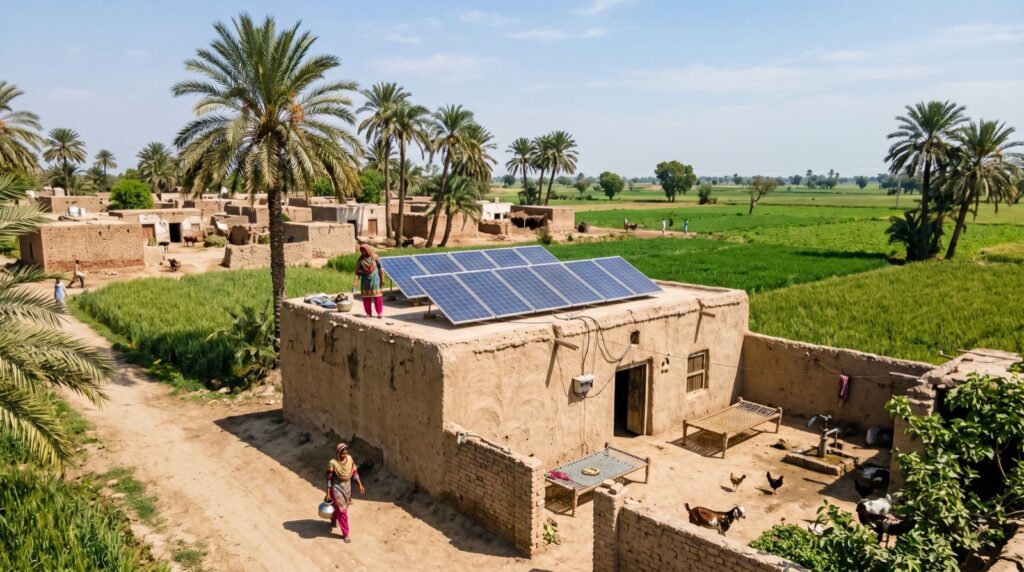
If you have watched your electricity bill climb every quarter, you are not imagining it. Rising tariffs and load-shedding have pushed thousands of households to look seriously at rooftop solar. Understanding the true solar panel cost in Pakistan is the first step toward a decision you will not regret. In 2026, the numbers finally make sense for most middle-income homes, and this guide walks through what you actually pay and what you get back.
Rather than throwing marketing figures at you, this breakdown uses real system sizes, honest price ranges, and a plain-English payback calculation. By the end you will know roughly what a 5kW or 10kW setup costs and how long it takes to earn its money back.
What Drives the Solar Panel Cost in Pakistan
A rooftop system is not a single product. Its price is the sum of several components, and each one moves independently with the market. Knowing where your rupees go helps you spot padded quotes.
- Solar panels: Usually 40 to 50 percent of the total. Tier-1 mono PERC and N-type modules cost more but degrade slower.
- Inverter: On-grid, hybrid, or off-grid units vary widely. A hybrid inverter with battery support costs more upfront.
- Batteries: Optional for on-grid net-metered homes, essential for off-grid. Lithium packs cost far more than lead-acid but last longer.
- Mounting, wiring, and protection: Rails, DC/AC cables, breakers, and surge protection. Cheap here means trouble later.
- Installation and net-metering paperwork: Labour, commissioning, and the distribution-company application.
Typical 2026 Price Ranges by System Size
| System Size | Best For | Approx. Cost (PKR) | Monthly Units Offset |
|---|---|---|---|
| 3kW on-grid | Small home, 1 to 2 AC | 550,000 to 750,000 | 350 to 450 |
| 5kW on-grid | Average family home | 900,000 to 1,200,000 | 600 to 750 |
| 10kW hybrid | Large home with backup | 1,900,000 to 2,600,000 | 1,200 to 1,500 |
| 15kW hybrid | Villa or small business | 2,900,000 to 3,800,000 | 1,800 to 2,200 |
These ranges assume quality equipment and professional installation. Rock-bottom quotes almost always cut corners on the inverter, cabling, or after-sales support.
How to Calculate Your Solar Payback Period
Payback is simpler than most sales reps make it sound. Divide the total system cost by the money you save each year. If a 5kW system costs PKR 1,050,000 and trims PKR 22,000 off your monthly bill, you save PKR 264,000 a year, giving a payback of roughly four years.
- Note your average monthly bill and units consumed.
- Estimate how many of those units the system will generate.
- Multiply saved units by your per-unit tariff.
- Divide the system price by your annual saving.
Because tariffs keep rising, real payback is usually faster than the flat calculation suggests. Households in high-sunlight cities recover costs quickest. For urban homeowners exploring installers, comparing several quotes for solar panels in Karachi is a smart way to benchmark fair pricing before signing anything.
Net Metering: The Quiet Multiplier
Net metering lets you export surplus daytime generation to the grid and draw it back at night, effectively using the grid as a free battery. Approved by the National Electric Power Regulatory Authority, it can shrink your bill dramatically. You can review the official framework directly from NEPRA before applying.
On-Grid, Hybrid, or Off-Grid: Which Saves More?
The system type you choose changes both cost and return. Each suits a different situation.
- On-grid: Cheapest and best ROI where the grid is stable and net metering is available. No battery cost.
- Hybrid: Adds a battery for backup during outages. Higher cost, but keeps essentials running when the grid fails.
- Off-grid: Fully independent, ideal for remote areas with no reliable supply. Highest cost per usable unit.
For most city homes, on-grid or hybrid wins on economics. Off-grid earns its keep only where grid access is poor. If your area suffers frequent outages, a hybrid setup pairs savings with peace of mind, and a professional solar installation in Lahore can be sized precisely to your load profile rather than a generic template.
An Insider Tip on Sizing
Do not oversize your system to chase a zero bill. Under net metering, exporting far more than you consume yields diminishing returns because export credits are often valued below retail tariff. Sizing to cover 90 to 100 percent of your annual usage usually gives the sharpest payback.
Hidden Costs and Smart Ways to Avoid Them
The sticker price is not always the final price. Watch for these line items that surprise first-time buyers.
- Roof reinforcement if your structure is weak.
- Longer cable runs from roof to inverter that add material cost.
- Earthing and lightning protection, often skipped in cheap quotes.
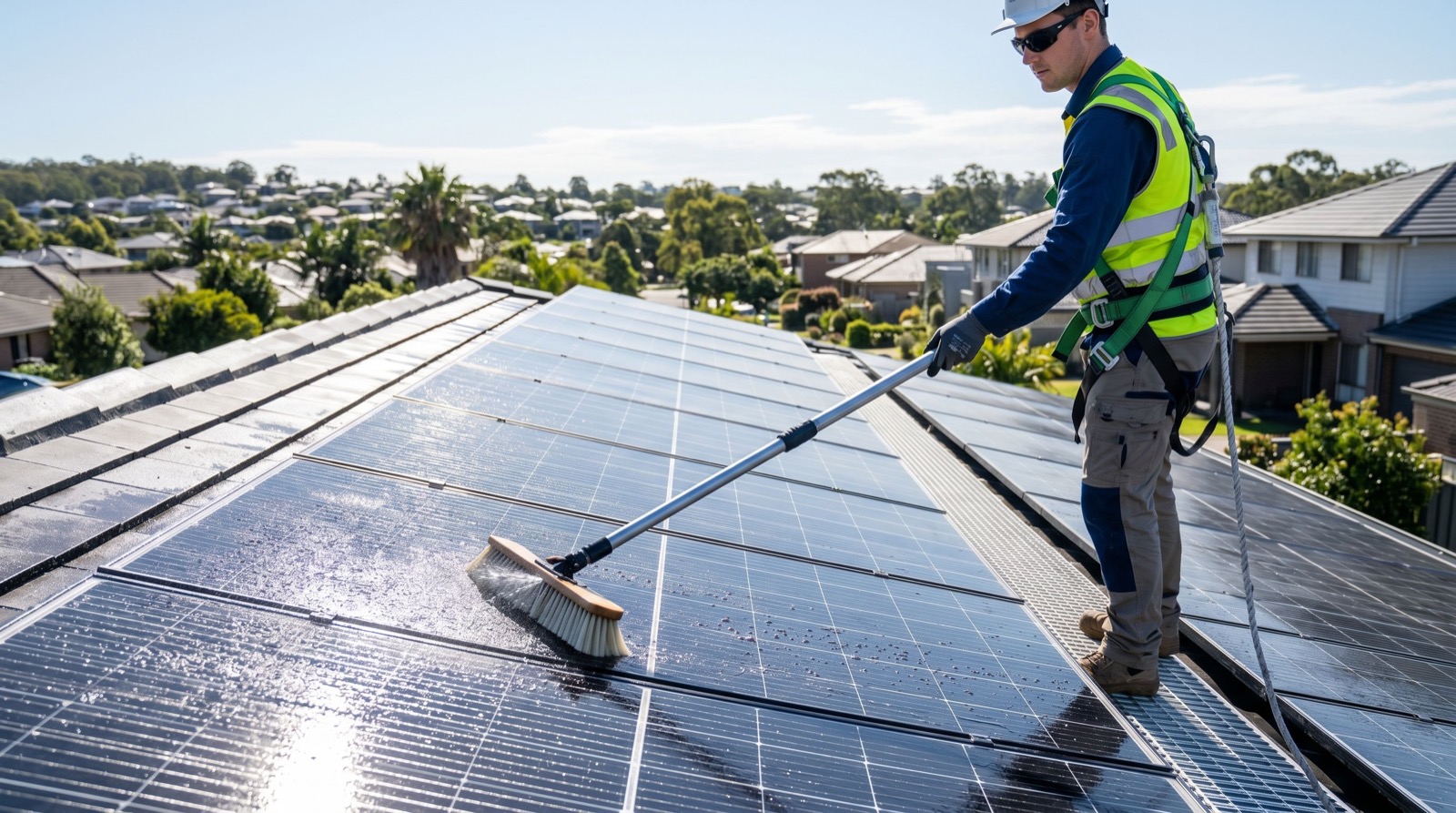
- Annual cleaning and maintenance, minor but real.
Choosing dependable specialists who itemise every component in writing protects you from these surprises and makes warranty claims far easier later.
Frequently Asked Questions
How long do solar panels last in Pakistan?
Quality tier-1 panels carry performance warranties of 25 to 30 years and typically keep producing beyond that, though at gradually reduced output. Inverters usually need replacement once every 8 to 12 years.
Is solar still worth it with rising equipment prices in 2026?
Yes. Even with fluctuating panel prices, electricity tariffs have risen faster, so the payback period for most homes remains between three and five years. The long-term saving over 25 years is substantial.
Do I need batteries to save money on my bill?
No. Under net metering, an on-grid system without batteries can offset most of your bill. Batteries add backup power during outages but are an extra cost, not a saving driver.
Can I expand my solar system later?
Often yes, if your inverter has spare capacity and your roof has space. Plan ahead by choosing an inverter slightly larger than your current need if you expect future growth.
The Bottom Line
The real solar panel cost in Pakistan in 2026 is best judged not by the upfront figure but by the payback and the decades of savings that follow. For most homes, a well-sized on-grid or hybrid system pays for itself in three to five years and then delivers nearly free power. Get at least three itemised quotes, confirm net-metering eligibility, and choose installers who stand behind their work. Do that, and going solar becomes one of the smartest financial decisions your household can make.